

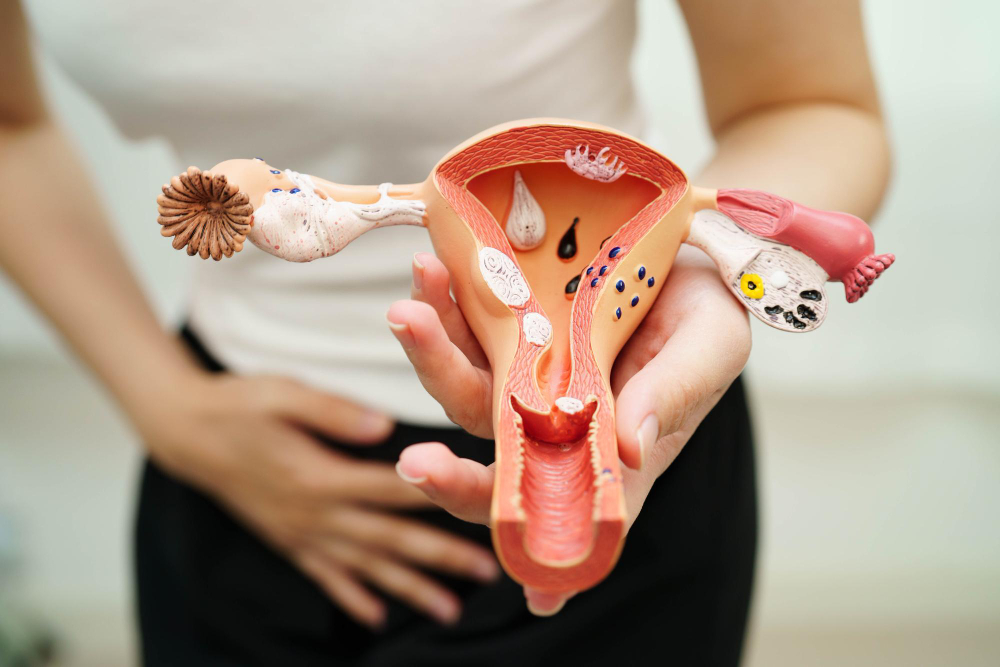
Uterine fibroids are common, non-cancerous growths that form in the uterus. Many women develop these benign uterine tumors during their childbearing years. In fact, the World Health Organization (WHO) notes that up to 70% of women may have fibroids by age 50. Although most fibroids are harmless, they can cause symptoms that affect daily life. Understanding uterine fibroids helps you make informed choices about your health.
What Are Uterine Fibroids?
Uterine fibroids are solid lumps made of muscle and tissue. They grow inside or on the wall of the uterus. While these growths are called tumors, they are almost always benign, meaning they are not cancer. Fibroids can be as small as a seed or as large as a melon. Sometimes, women have just one fibroid. However, many women have several at the same time.
Because fibroids are so common, they are a key topic in women’s health. Most often, they appear during the years when women can have children. After menopause, fibroids usually shrink and cause fewer problems.
Common Symptoms of Uterine Fibroids
Many women with fibroids do not notice any symptoms. However, some women experience problems that can affect their daily life. For example, symptoms often depend on the size, number, and location of the fibroids.Heavy or long menstrual periodsPain or pressure in the lower bellyFrequent need to urinateDifficulty emptying the bladderConstipationBackache or leg painPain during sex
Sometimes, fibroids can also cause trouble getting pregnant. But, not all women with fibroids have fertility issues.
Causes and Risk Factors
Doctors do not know the exact cause of uterine fibroids. However, several factors can increase your risk. For instance, hormones and family history play a big role.Family history of fibroidsBeing overweight or obeseStarting your period at a young ageHigh levels of estrogen and progesteroneEating a lot of red meatNot eating enough fruits and vegetablesAge (more common in women aged 30-50)Being of African descent (higher risk)
Although these factors raise your risk, having one or more does not mean you will get fibroids.
How Uterine Fibroids Are Diagnosed
Doctors use several methods to diagnose uterine fibroids. First, they may ask about your symptoms and medical history. Next, a pelvic exam helps check for changes in the shape of your uterus. If fibroids are suspected, your doctor may order tests such as:Ultrasound: Uses sound waves to create images of the uterusMRI (Magnetic Resonance Imaging): Gives detailed pictures of fibroidsHysteroscopy: A thin tube with a camera looks inside the uterusBlood tests: Check for anemia caused by heavy bleeding
With these tests, doctors can find the size, number, and location of fibroids. This helps guide the best treatment options for you.
Treatment Options for Uterine Fibroids
Not all fibroids need treatment. If you have no symptoms, your doctor may suggest watchful waiting. But, if fibroids cause problems, several fibroid treatment options are available. The right choice depends on your age, symptoms, and plans for pregnancy.Medications: Help control symptoms like heavy bleeding or painHormone therapy: Shrinks fibroids and reduces bleedingNon-surgical procedures: Such as uterine artery embolization, which blocks blood flow to fibroidsMinimally invasive surgery: Removes fibroids through small cuts (myomectomy)Traditional surgery: Removes the uterus (hysterectomy) for severe cases
Because each woman is different, your doctor will help you choose the best treatment for your needs.
Lifestyle Tips and Prevention
While you cannot always prevent uterine fibroids, healthy habits may lower your risk. For example, eating a balanced diet and staying active can help. Here are some tips:Eat plenty of fruits and vegetablesLimit red meat and processed foodsMaintain a healthy weightExercise regularlyManage stress with relaxation techniquesVisit your doctor for regular check-ups
Although these steps do not guarantee prevention, they support overall women’s health.
When to See a Doctor
It is important to talk to a gynecologist if you notice any of the following:Heavy or painful periodsBleeding between periodsPelvic pain or pressureProblems with urination or bowel movementsTrouble getting pregnant
Early diagnosis and care can help manage symptoms and prevent complications. For women in cities like Mumbai, Delhi, or Bangalore, many hospitals offer advanced care for fibroids.
Take charge of your health. If you have symptoms or concerns about uterine fibroids, consult a gynecologist at Gattani Hospital for personalized advice and treatment options.