

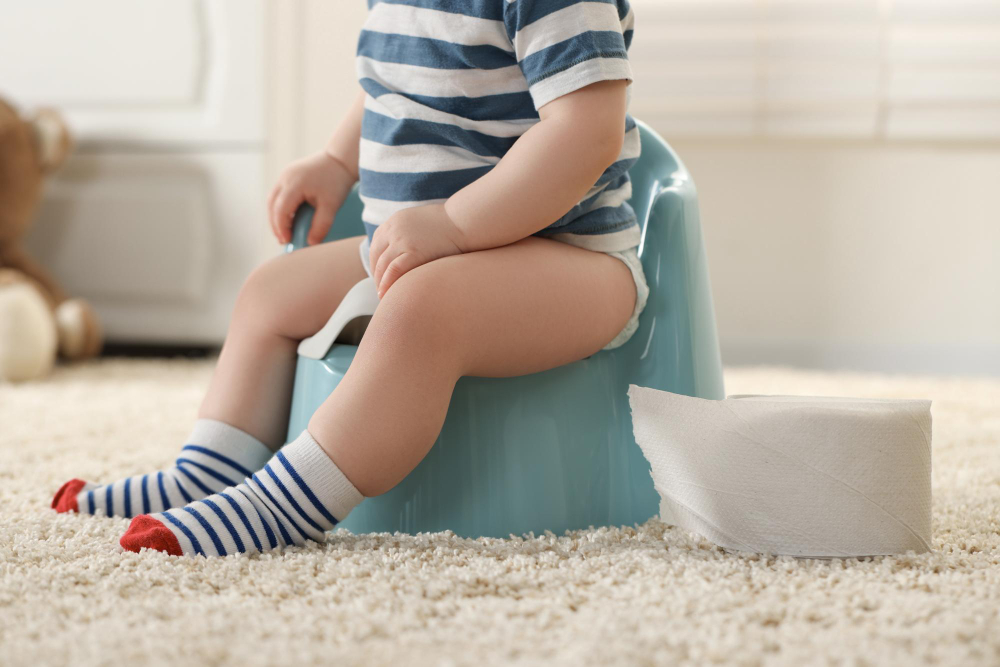
What is Fecal Incontinence in Children?
Fecal incontinence in children means a child cannot control their bowel movements. As a result, stool may leak from the rectum at unexpected times. This condition is also called pediatric fecal incontinence or childhood bowel control problems. While it can be stressful for families, it is more common than many people think. According to the American Academy of Pediatrics, about 1–3% of children may experience this issue. Early understanding and support can help children manage it better.
Common Symptoms
Children with fecal incontinence may show different signs. However, some symptoms are more common than others. Recognizing these early can help parents seek help sooner. For example, you may notice:Frequent soiling of underwearStool stains or smears in clothingStrong or unpleasant odorHiding soiled clothesWithdrawing from social activitiesAbdominal pain or crampsConstipation or hard stools
Sometimes, children may feel embarrassed or anxious about these symptoms. Therefore, gentle support is important.
Causes and Risk Factors
There are several causes of fecal incontinence in children. Most often, chronic constipation is the main reason. When stool builds up in the colon, it can stretch the bowel. As a result, liquid stool may leak around the hard stool. This is called overflow incontinence. Other causes include:Developmental delaysEmotional stress or traumaBirth defects affecting the anus or rectumNerve or muscle problemsPrevious surgery in the pelvic area
Additionally, children with certain medical conditions, such as spina bifida, may be at higher risk. Understanding the cause helps guide the best treatment.
Diagnosis and Evaluation
Doctors use several steps to diagnose pediatric fecal incontinence. First, they ask about the child’s medical history and symptoms. Next, a physical exam is done. Sometimes, the doctor may order tests, such as:Abdominal X-rays to check for stool buildupBlood tests to rule out other conditionsAnorectal manometry to measure muscle strengthOther imaging studies if needed
Early diagnosis is key. That way, children can start treatment sooner and avoid complications.
Treatment Options
Treatment for fecal incontinence in kids depends on the cause. Most children improve with a combination of approaches. For example, common treatments include:Stool softeners or laxatives to ease constipationScheduled toilet times to build routineDiet changes to add fiber and fluidsBehavioral therapy for emotional supportPhysical therapy to strengthen pelvic muscles
In rare cases, surgery may be needed for birth defects or severe nerve problems. However, most children respond well to non-surgical care.
Lifestyle Tips and Home Care
Parents can help manage fecal incontinence at home. For instance, you can:Encourage regular bathroom breaksOffer a balanced diet rich in fruits, vegetables, and whole grainsMake sure your child drinks enough waterUse positive reinforcement, not punishmentKeep extra clothes and wipes handy for accidents
Above all, patience and understanding make a big difference. Children need support as they learn to manage their condition.
Prevention Strategies
While not all cases can be prevented, some steps may lower the risk. For example:Promote healthy toilet habits earlyTeach children not to hold in stoolEncourage a fiber-rich dietWatch for signs of constipationAddress emotional stress quickly
In different regions, access to clean toilets and healthy foods may vary. Therefore, parents should use local resources and seek help if needed.
When to See a Doctor
If your child has frequent accidents, pain, or changes in bowel habits, it is time to see a doctor. Early medical advice can prevent long-term problems. In addition, seek help if your child:Has blood in the stoolLoses weight without reasonDevelops fever or severe abdominal pain
Doctors can guide you on the best steps for your child’s health.
Fecal incontinence in children can be managed with the right care. Consult a pediatric specialist at Gattani Hospital for personalized advice on managing fecal incontinence in children.