

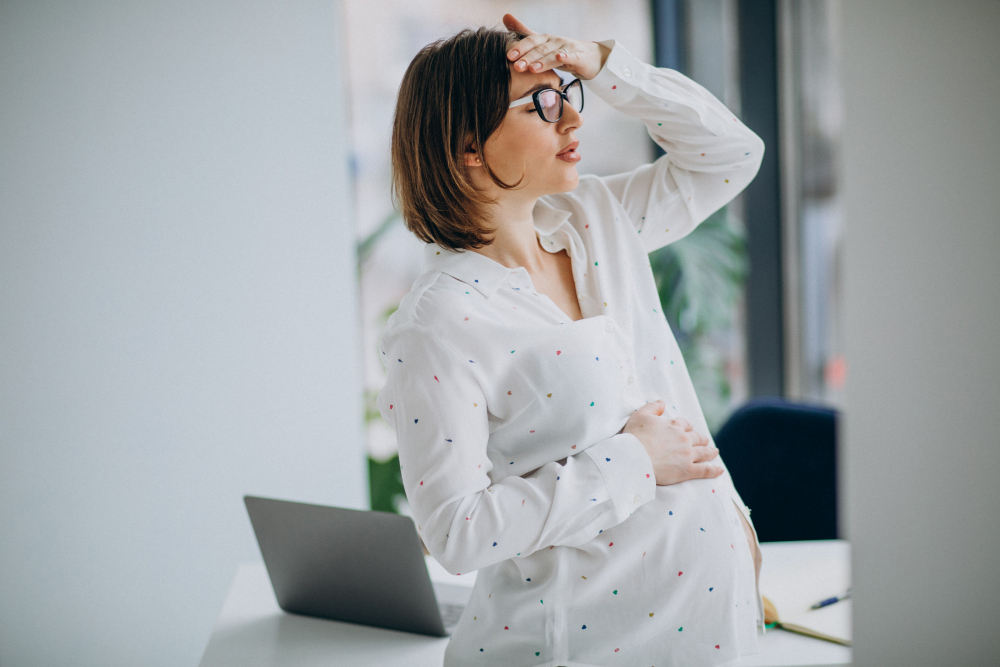
What Is Preeclampsia?
Preeclampsia is a serious condition that can happen during pregnancy. It usually starts after 20 weeks. In the United States, it affects about 1 in 25 pregnancies. The main problem is high blood pressure. However, it can also harm organs like the liver and kidneys. Because the signs and symptoms of preeclampsia can be mild at first, it is important to know what to look for.
Common Signs and Symptoms of Preeclampsia
Early warning signs of preeclampsia can be easy to miss. Still, knowing them can help you act quickly. Here are the most common preeclampsia symptoms during pregnancy:Swelling in your face, hands, or around your eyesSudden weight gain (more than 2 pounds in a week)Severe headaches that do not go awayChanges in vision, such as seeing spots or blurry visionPain in the upper right side of your bellyNausea or vomiting that starts after the first trimesterShortness of breath or trouble breathingLess urine than usual when you go to the bathroom
Sometimes, you may not notice any symptoms. For this reason, regular check-ups are very important.
When Should You Seek Medical Help?
If you notice any signs and symptoms of preeclampsia, you should contact your doctor right away. For example, if you have a severe headache, vision changes, or pain in your belly, do not wait. These could be early warning signs of preeclampsia. In some cases, symptoms can get worse quickly. Therefore, it is always better to be safe and get checked.
Why Early Detection Matters
Early detection of preeclampsia can protect both you and your baby. When caught early, doctors can monitor you closely. They may suggest treatments to lower your blood pressure or prevent problems. In some cases, early delivery may be needed. Because preeclampsia can lead to serious issues, such as seizures or organ damage, acting fast is key. According to the CDC, regular prenatal visits help spot problems early.
How to Lower Your Risk: Prevention Tips
While you cannot always prevent preeclampsia, some steps may help lower your risk. Here are some tips:Attend all your prenatal check-upsEat a balanced diet with fruits, vegetables, and whole grainsStay active with gentle exercise, if your doctor says it is safeLimit salt and processed foodsDrink enough water every dayFollow your doctor’s advice about vitamins or medications
Additionally, if you have a history of high blood pressure or preeclampsia, tell your doctor early in your pregnancy. This helps them watch for signs and symptoms of preeclampsia more closely.
Summary
Preeclampsia is a serious condition that can happen during pregnancy. However, knowing the signs and symptoms of preeclampsia can help you act quickly. Early warning signs include swelling, headaches, vision changes, and belly pain. If you notice any symptoms, seek medical help right away. Early detection and regular check-ups can keep you and your baby safe.
If you notice any signs or symptoms of preeclampsia, consult at Gattani Hospital for personalized advice.