

Introduction
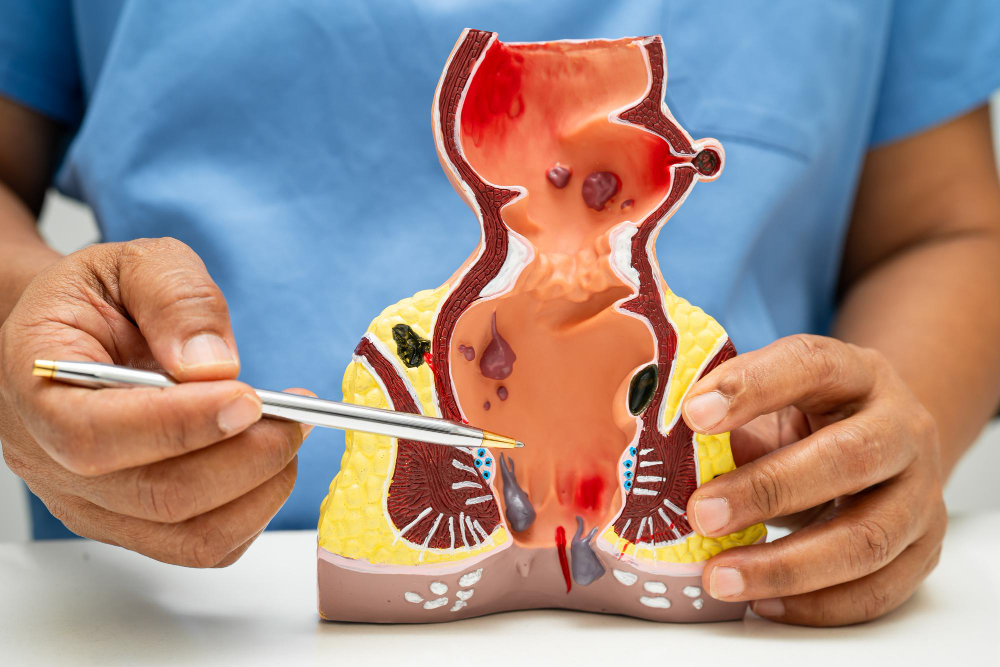
Piles, also known as hemorrhoids, are swollen veins in the lower part of the rectum or anus. Many people worry about surgery, but there are modern, painless treatment options for piles without surgery. Today, you can find non-surgical hemorrhoid options that offer relief and comfort. In this blog, we will explore these choices and help you understand how to manage piles with less pain and faster recovery.
What Are Piles?
Piles are lumps that form inside or around the anus. They can cause discomfort, itching, pain, or bleeding. Sometimes, you may notice blood on toilet paper or in the toilet bowl. Other common symptoms include:Itching or irritation around the anusPain or discomfort, especially when sittingSwelling or a lump near the anusBleeding during bowel movements
Although piles are common, they can be managed with the right care. Early treatment often leads to better results.
Why Avoid Surgery?
Many people want to avoid surgery for piles. First, surgery can be painful and may need a longer recovery time. In addition, there is a risk of infection or other problems after surgery. Non-surgical piles treatment is often less painful and lets you return to normal life faster. Moreover, modern piles care focuses on comfort and quick healing. For most mild to moderate cases, painless piles treatment works well.
Modern Painless Treatment Options
Today, doctors offer several non-surgical hemorrhoid options. These treatments are safe, effective, and cause little or no pain. Here are some of the most common modern piles care methods:Rubber Band Ligation: A small band is placed around the base of the pile. This cuts off blood flow, and the pile falls off in a few days. Most people feel only mild discomfort.Sclerotherapy: A doctor injects a special solution into the pile. This shrinks the pile and relieves symptoms. The procedure is quick and usually painless.Infrared Coagulation: Heat from a special light is used to shrink the pile. This method is fast and does not need cuts or stitches.Medications: Creams, ointments, and suppositories can help reduce pain and swelling. Some medicines also help stop itching.Lifestyle Changes: Eating more fiber, drinking water, and staying active can help prevent and treat piles.
According to the World Health Organization (WHO) and other health experts, these treatments are safe for most people. However, always talk to your doctor before starting any treatment.
Home Care and Lifestyle Tips
Besides medical treatments, home care can make a big difference. For example, simple changes in your daily routine can help ease symptoms and speed up healing. Try these tips:Eat more fruits, vegetables, and whole grains for extra fiberDrink plenty of water every dayExercise regularly to keep your bowels movingUse gentle, unscented toilet paperTake warm baths to soothe the areaAvoid straining during bowel movements
With these steps, you can support your body’s healing process and feel better sooner.
Prevention Strategies
Preventing piles is easier than you might think. For instance, healthy habits can lower your risk. Here are some ways to prevent piles:Stay active and avoid sitting for long periodsEat a balanced diet rich in fiberDrink enough water to keep stools softGo to the bathroom as soon as you feel the urgeKeep the anal area clean and dry
By following these steps, you can reduce your chances of getting piles in the future.
When to See a Doctor
Sometimes, home care and non-surgical treatments are not enough. If you notice heavy bleeding, severe pain, or piles that do not improve, see a doctor right away. Also, if you have other health problems or are unsure about your symptoms, professional advice is important. Early treatment can prevent problems and help you feel better faster.
For personalized guidance on painless piles treatment options, consult at specialist at Gattani Hospital. Your health and comfort matter most.