

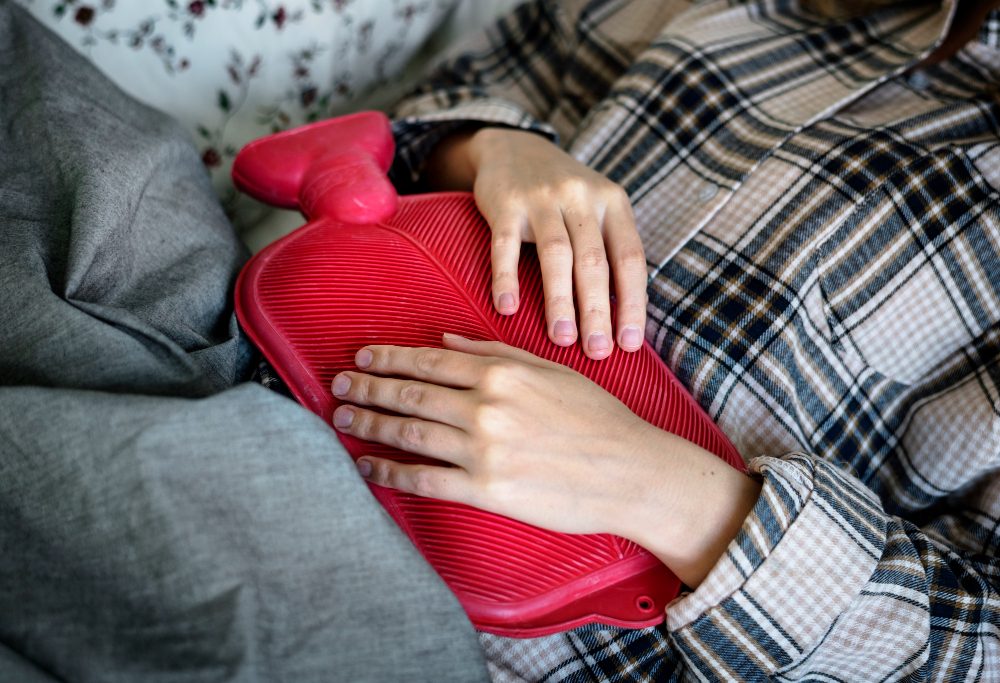
What Are Heavy Periods?
Heavy periods, also called heavy menstrual bleeding, can make daily life hard. For some, periods last longer or soak through pads or tampons quickly. Although every woman is different, heavy periods are not normal if they disrupt your routine. In many cases, heavy periods can signal a health problem. Therefore, it is important to know what is normal for you.
Common Symptoms of Heavy Periods
Sometimes, it is hard to tell if your period is too heavy. However, certain signs can help you decide. Here are common symptoms of heavy menstrual bleeding:Needing to change pads or tampons every 1-2 hoursBleeding for more than 7 daysPassing large blood clots (bigger than a coin)Waking up at night to change protectionFeeling tired, weak, or short of breath
If you notice these symptoms, you may have heavy periods. In that case, it is wise to pay attention and seek help if needed.
Causes of Heavy Menstrual Bleeding
Heavy periods can happen for many reasons. Sometimes, the cause is simple. Other times, it may need medical care. Common causes include:Hormone changes, such as during puberty or menopauseUterine fibroids (non-cancerous growths in the womb)Polyps (small growths in the womb lining)Bleeding disordersThyroid problemsInfections or certain medicines
According to the World Health Organization (WHO), many women with heavy periods have no clear cause. Still, it is important to rule out serious problems.
When Should You See a Gynaecologist?
Sometimes, heavy periods are not a cause for worry. But, you should see a gynaecologist if:Your periods are much heavier than usualYou bleed for more than 7 daysYou pass large clots oftenYou feel dizzy, weak, or very tiredYour periods disrupt work, school, or daily lifeYou need to double up on pads or tampons
In addition, if you bleed between periods or after sex, see a doctor soon. Early care can help prevent problems.
Diagnosis and Treatment Options
First, your gynaecologist will ask about your symptoms and health history. Next, they may do a physical exam. Sometimes, blood tests or an ultrasound are needed. These tests help find the cause of heavy periods.
Treatment options for heavy periods depend on the cause. Common treatments include:Iron supplements for anemiaHormone therapy (such as birth control pills)Medicines to reduce bleedingProcedures to remove fibroids or polypsSurgery, in rare cases
According to the Centers for Disease Control and Prevention (CDC), most women find relief with simple treatments. However, your doctor will suggest what is best for you.
Lifestyle Tips and Prevention
While you may not prevent all heavy periods, some tips can help manage symptoms. For example:Track your periods on a calendar or appEat foods rich in iron, like spinach and beansStay hydrated and rest when neededUse the right pads or tampons for your flowTalk to your doctor before taking new medicines
With these steps, you may feel better and spot changes early.
Frequently Asked Questions
Is it normal to have heavy periods during puberty?Yes, periods can be heavier during puberty. However, if it lasts many months, see a doctor.Can stress cause heavy periods?Sometimes, stress can affect your cycle. But, ongoing heavy bleeding needs a check-up.Will heavy periods go away on their own?In some cases, yes. But, if symptoms last, it is best to get medical advice.Are heavy periods a sign of cancer?Rarely, heavy bleeding can be a sign of cancer. However, most causes are not cancer. Still, always check with a doctor.
Conclusion and Next Steps
Heavy periods can affect your health and daily life. But, you do not have to suffer in silence. If you notice symptoms of heavy menstrual bleeding, do not wait. Instead, talk to a gynaecologist. Early care can help you feel better and stay healthy. If you experience heavy periods, consult a gynaecologist at Gattani Hospital for personalized advice.