

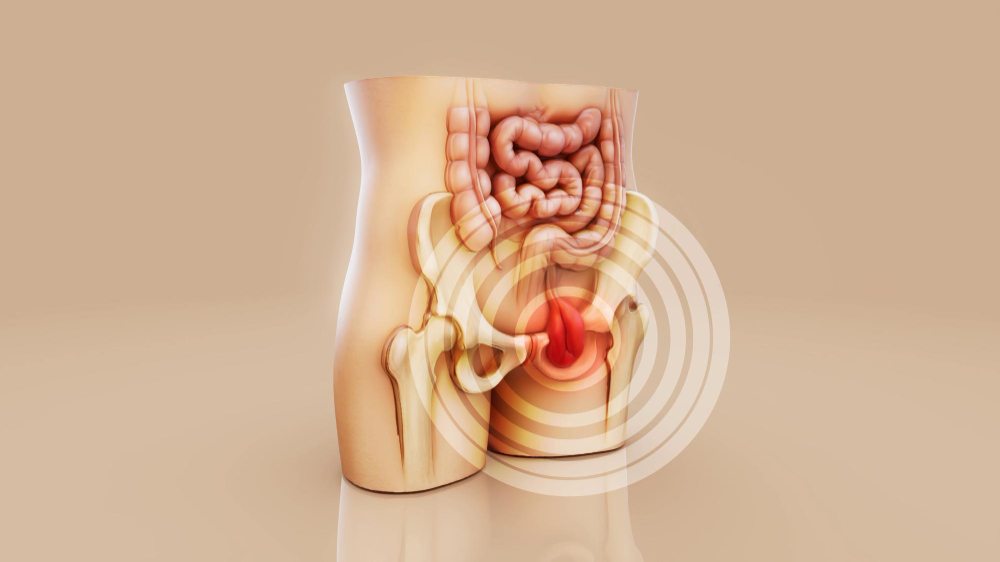
What is Fistula-in-Ano?
Fistula-in-Ano is a small tunnel that forms between the inside of the anus and the skin around it. This condition often starts after an infection near the anus. As a result, a channel forms, connecting the infected gland to the skin. Many people feel embarrassed to talk about it. However, it is important to seek help early. Fistula-in-Ano can cause discomfort and may not heal on its own.
Causes of Fistula-in-Ano
There are several reasons why a fistula-in-ano may develop. Most cases begin with an infection in the anal glands. Over time, this infection can create an abscess, which is a pocket of pus. If the abscess does not heal completely, a fistula may form. Other causes include:Chronic conditions like Crohn’s diseasePrevious surgery or injury in the anal areaTuberculosis or sexually transmitted infections (rare)Radiation therapy for cancer
In the United States, most cases are linked to simple infections. But, chronic diseases can also play a role.
Common Symptoms
Fistula-in-ano symptoms can vary. Some people notice mild discomfort, while others have more severe signs. Common symptoms include:Pain or swelling near the anusRedness or irritation around the anal areaDischarge of pus or blood from a small opening near the anusFever, especially if an abscess is presentItching or skin irritation
Sometimes, the pain gets worse when sitting or moving. If you notice these signs, it is wise to seek medical advice.
Diagnosis Methods
Doctors use several methods to diagnose fistula-in-ano. First, they ask about your symptoms and medical history. Next, they perform a gentle exam of the anal area. In some cases, your doctor may use special tools or tests, such as:Proctoscopy (a small tube to look inside the anus)MRI or ultrasound scans to see the fistula’s pathBlood tests to check for infection
Early diagnosis helps doctors choose the best treatment. Therefore, do not delay if you have symptoms.
Latest Treatment Options
Modern treatment for anal fistula has improved over the years. The main goal is to heal the fistula and prevent it from coming back. Treatment options include:Surgery: Most fistulas need surgery. Surgeons may open the tunnel to help it heal from the inside out.Seton placement: A thin thread is placed in the fistula to keep it open and drain infection. This method is often used for complex cases.Fistula plug or glue: Some doctors use special materials to close the tunnel. These are less invasive options.Laser treatment: Newer methods use laser energy to close the fistula. This can mean less pain and faster recovery.
Doctors choose the best method based on the fistula’s size and location. According to the CDC, surgery is safe and effective for most people.
Prevention and Lifestyle Tips
While not all cases can be prevented, some steps may lower your risk. Here are some tips on how to prevent fistula-in-ano:Keep the anal area clean and dryEat a high-fiber diet to avoid constipationDrink plenty of water every daySeek prompt treatment for any anal infections or abscessesManage chronic conditions like Crohn’s disease with your doctor’s help
Additionally, regular exercise and good hygiene can support your overall health.
When to See a Doctor
If you notice pain, swelling, or discharge near your anus, it is important to see a doctor. Early treatment can prevent problems from getting worse. You should also seek help if you have a fever or trouble sitting. Remember, fistula-in-ano rarely heals on its own. Therefore, medical care is the best way to recover.
In summary, Fistula-in-Ano is a treatable condition. Modern treatment for anal fistula is safe and effective. Consult a specialist at Gattani Hospital for personalized guidance on Fistula-in-Ano.