

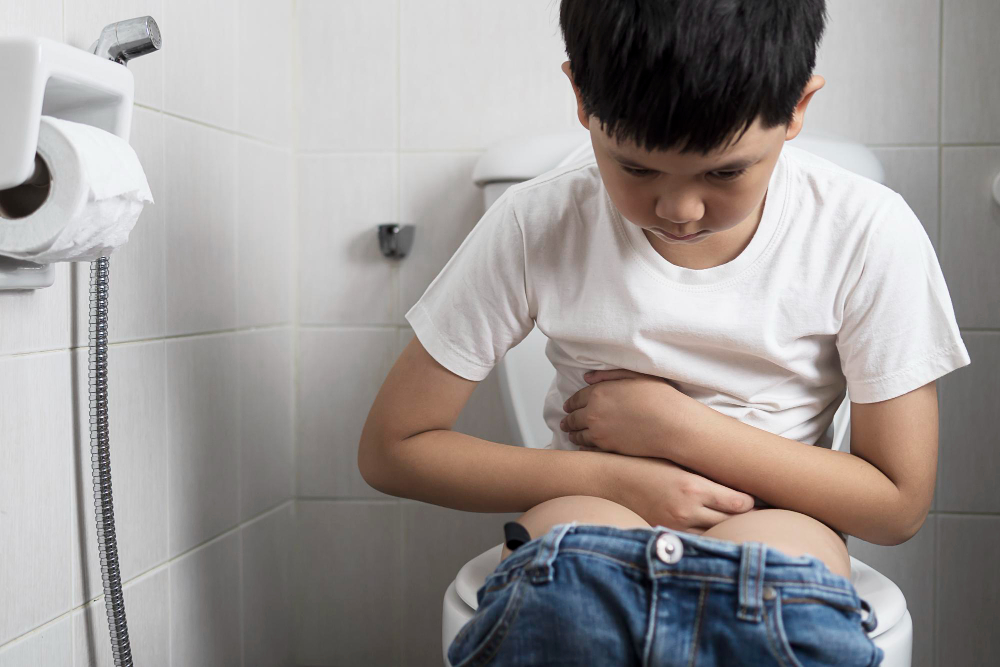
What is Constipation in Children?
Constipation in children is a common problem. It means your child has fewer bowel movements than usual or finds it hard to pass stool. Often, children may feel pain or discomfort when trying to go to the bathroom. Sometimes, they may avoid going because it hurts. As a result, stool can become dry and hard. This makes it even harder to pass. Many parents worry when their child is constipated. However, most cases are not serious and can be managed at home.
Common Causes of Constipation in Children
There are many reasons why a child may become constipated. Understanding these causes can help you prevent the problem. For example, changes in routine or diet can affect bowel habits. Below are some common causes:Not eating enough fiber-rich foods like fruits and vegetablesDrinking too little water or fluidsHolding in stool due to pain or fear of using the toiletChanges in daily routine, such as travel or starting schoolLack of physical activitySide effects from certain medicinesRarely, medical conditions like thyroid problems or food allergies
Recognizing Symptoms
It is important to notice signs of constipation early. This helps you take action before the problem gets worse. Some children may not tell you they are having trouble. Therefore, watch for these symptoms:Fewer than three bowel movements per weekHard, dry, or large stoolsPain or straining during bowel movementsStomach pain or bloatingSmall amounts of liquid stool in underwear (soiling)Loss of appetite or feeling full quicklyCrankiness or mood changes
How is Constipation Diagnosed?
Doctors use several steps to diagnose constipation in children. First, they ask about your child’s symptoms and medical history. Next, they may do a physical exam. Sometimes, the doctor will gently press on your child’s belly to check for hard stool. In most cases, no special tests are needed. However, if constipation lasts a long time or is severe, the doctor may order:X-rays to see how much stool is in the colonBlood tests to check for other health problemsOther tests if a rare medical condition is suspected
Treatment Options and Home Remedies
There are many ways to help a constipated child. Often, simple changes at home can make a big difference. For example, adding more fiber and fluids to your child’s diet can help. Here are some child constipation remedies:Encourage your child to eat more fruits, vegetables, and whole grainsOffer plenty of water throughout the daySet regular times for bathroom visits, especially after mealsMake sure your child gets enough physical activityUse a footstool to help your child sit comfortably on the toiletGive praise for trying, not just for success
Sometimes, the doctor may suggest a mild stool softener or laxative. Always use these only as directed by your doctor. Never give your child over-the-counter medicines without medical advice.
Prevention Tips for Parents
Preventing constipation in children is possible with a few simple steps. For instance, healthy habits can keep your child’s bowels regular. Try these tips:Serve high-fiber foods daily, such as apples, pears, and carrotsEncourage your child to drink water instead of sugary drinksHelp your child stay active with play and exerciseTeach your child not to ignore the urge to go to the bathroomKeep a regular meal and bathroom scheduleTalk to your child about healthy bathroom habits
When to See a Doctor
Most cases of constipation in children improve with home care. However, sometimes you need to see a doctor. For example, seek medical help if your child:Has severe stomach pain or swellingVomits or has blood in the stoolLoses weight or stops eatingHas constipation that lasts more than two weeksDevelops fever or other unusual symptoms
Early treatment can prevent problems and help your child feel better. According to the CDC, ongoing constipation should always be checked by a healthcare provider.
Conclusion:
Childhood constipation is often manageable when recognized early and addressed with the right care. Paying attention to bowel habits, diet, hydration, and recurring symptoms can help prevent discomfort and support better digestive health.
CTA:
For expert pediatric evaluation and personalized care for childhood constipation, consult the specialists at Gattani Hospital.